MEDICAL
MEDICAL-;
of or relating to the treatment of diseases and injuries : of or relating to medicine.
Now a days , electronics instruments are beings used for the treatment of different disease . The use of electronic in the medical fields is increase to the level that a new branch established for its study , which is known as bio-electronic .With the help of electronics,painless treatments of any disease has become possible .In japan , million of people are alive due to the use of 'pace maker' which is an electronic device . For the heart patient ,E.C.G.(Electrocardiogram) instruments is used for the check -up of heart .It is an electronic instrument by which the heart beats of the patients are studied .Similarly ,the function of human brain is studies with the help of F.E.G. X-ray is also very useful in orthopedics.

hospital is a health care institution providing patient treatment with specialized medical and nursing staff and medical equipment. The best-known type of hospital is the general hospital, which typically has an emergency department to treat urgent health problems ranging from fire and accident victims to a sudden illness. A district hospital typically is the major health care facility in its region, with many beds for intensive care and additional beds for patients who need long-term care. Specialized hospitals include trauma centers, rehabilitation hospitals, children's hospitals, seniors' (geriatric) hospitals, and hospitals for dealing with specific medical needs such as psychiatric treatment (see psychiatric hospital) and certain disease categories. Specialized hospitals can help reduce health care costs compared to general hospitals. Hospitals are classified as general, specialty, or government depending on the sources of income received.
A teaching hospitals combines assistance to people with teaching to medical students and nurses. A medical facility smaller than a hospital is generally called a clinics. Hospitals have a range of departments (e.g. surgery and urgent care) and specialist units such as cardiology. Some hospitals have outpatient departments and some have chronic treatment units. Common support units include a pharmacy, pathology, and radiology.
Hospitals are usually funded by the public sector, health organisations (for profit or nonprofit), health insurance companies, or charities, including direct charitable donations. Historically, hospitals were often founded and funded by religious order, or by charitable individuals and leaders..
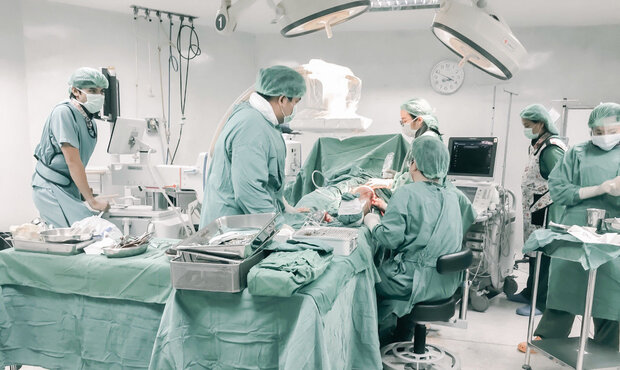
Currently, hospitals are largely staffed by professional physicians, surgeons, nurses, and allied health practitioner, whereas in the past, this work was usually performed by the members of founding religious orders or by volunteer. However, there are various Catholic religious orders, such as the Alexians and the Bon Sec our system that still focus on hospital ministry in the late 1990s, as well as several other Christian denominations, including the Methodists and Lutherans, which run hospitals. In accordance with the original meaning of the word, hospitals were originally "places of hospitality", and this meaning is still preserved in the names of some institutions such as the Royal hospital Chelsea, established in 1681 as a retirement and nursing home for veteran soldiers.
1- X-RAY -;
X-rays are a type of radiation called electromagnetic waves. X-ray imaging creates pictures of the inside of your body. The images show the parts of your body in different shades of black and white. This is because different tissues absorb different amounts of radiation. Calcium in bones absorbs x-rays the most, so bones look white. Fat and other soft tissues absorb less and look gray. Air absorbs the least, so lungs look black.
The most familiar use of x-rays is checking for fractures (broken bones), but x-rays are also used in other ways. For example, chest x-rays can spot pneumonia. Mammograms use x-rays to look for breast cancer.
When you have an x-ray, you may wear a lead apron to protect certain parts of your body. The amount of radiation you get from an x-ray is small. For example, a chest x-ray gives out a radiation dose similar to the amount of radiation you're naturally exposed to from the environment over 10 days.
2- E.C.G-;
Electrocardiography is the process of producing an electrocardiogram (ECG or EKG). It is a graph of voltage versus time of the electrical activity of the heart using electrode placed on the skin. These electrodes detect the small electrical changes that are a consequence of cardiac muscle depolarization followed by re polarization during each cardiac cycle (heartbeat). Changes in the normal ECG pattern occur in numerous cardiac abnormalities, including cardiac rhythm disturbances (such as atrial fibrillation and ventricular tachycardia), inadequate coronary artery blood flow (such as myocardial ischemia and myocardial infraction), and electrolyte disturbances (such as hypokalemia and hypekalemia).

In a conventional 12-lead ECG, ten electrodes are placed on the patient's limbs and on the surface of the chest. The overall magnetic of the heart's electrical potential is then measured from twelve different angles ("leads") and is recorded over a period of time (usually ten seconds). In this way, the overall magnitude and direction of the heart's electrical depolarization is captured at each moment throughout the cardiac cycle.
3- SHORT WAVE DIATHERMY -;
Diathermy is a therapeutic modality that is most commonly used for joint conditions such as rheumatoid arthritis and osteoarthritis. The term diathermy refers to the creation of heat using electrical pulses. In diathermy, a high-frequency electric current is delivered via shortwave, microwave, or ultrasound which is able to generate deep heat in body tissues. The heat can be used to improve circulation and/or to relieve pain. In addition, shortwave diathermy can be used in medicine for treating damaged tissues and relaxing muscles.
The electric pulse of short wave diathermy creates heat deep inside a targeted tissue, reaching areas as deep as two inches from the skin’s surface. While the diathermy machine doesn’t apply heat directly to the body, the current created by the machine allows the body to generate heat within the targeted area itself.
It is when the heat of the area increases, that blood flow is improved along with improvements to flexibility in stiff joints and connective tissue making it a good choice to use for patients with arthritis.
The main benefits for decreased pain and inflammation is it allows patients to gently increase their range of motion allowing them to move with more ease and participate in rehabilitation with more comfort.

Diathermy isn’t just used in rehabilitation. Diathermy can be used in surgical procedures where when the electrode can be applied to a blood vessel. The heat generated by diathermy in the vessel will cause the blood to coagulate allowing the vessel to be cauterize(seal).
Diathermy can also be used to remove abnormal growths, such as tumors, especially in procedures where traditional techniques are impractical. For example, surgical diathermy can be used to address issues in the prostate, bladder, cervix, brain, ovaries, bowels, eyes, and tonsils.
Comments
Post a Comment